%2Ffit-in%2F250x250%2Fguide_websites%2F6455%2Fimages%2Fdl_logo_png.png&w=1920&q=100)
Walleye Fishing Charter in Buffalo NY
Walleye Fishing in Buffalo - What to Expect
%2F%2Fusers%2F62a976e9-eb24-4dca-8698-3a9e06d0f6be%2Fimages%2Fbuffalo-walleye-fishing-success-2481.jpeg&w=1920&q=75)
Fishing Charter by Captain David Levan in May
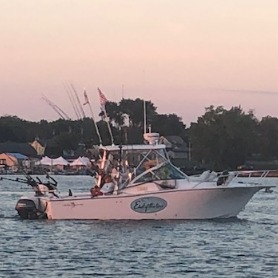
Meet your Captain David Levan
- A Cast into the Serene Beauty of NY Lakes


Summary
Join Captain David Levan of End of the Line Charters for a walleye fishing charter in Buffalo, NY. This Thursday in May adventure puts you on the water targeting walleye, one of the region's most rewarding game fish. Whether you're a seasoned angler or looking to learn, this guided fishing charter delivers action and local expertise.
Walleye Fishing with Captain David Levan - Rates & Booking
Captain David Levan of End of the Line Charters takes anglers out on Thursday, May 29th for an unforgettable walleye fishing charter in Buffalo, NY. With years of local knowledge and a genuine passion for putting fish on the line, Captain David knows exactly where and when to find walleye in these waters.
This fishing charter is designed for anyone looking to experience walleye fishing at its best. Whether you're bringing a friend, heading out solo, or making it a family outing, Captain David tailors each trip to match your skill level and goals. All the essential gear you'll need is provided, so you can focus on the experience and the catch.
To book your spot on the water or learn more about rates and availability, reach out to End of the Line Charters directly. Captain David fills trips based on demand, so it's worth securing your reservation early to guarantee your preferred date.
Highlights of Walleye Fishing in Buffalo
Buffalo's waters offer some of the best walleye opportunities in the region. These fish are known for being fighters, and the thrill of landing a solid walleye never gets old. The charter targets prime walleye habitat, using proven techniques and local insight to maximize your chances of success.
Beyond the fishing itself, you'll experience the scenic waterways around Buffalo from a perspective most people never get to see. The action on the water, combined with the natural beauty of the region, makes for a day you'll remember. Captain David's friendly approach and real fishing knowledge keep things relaxed and fun, even when the fish are cooperating.
Local Species Insights: Walleye
Walleye are one of the most prized freshwater game fish, and for good reason. These fish are found throughout Buffalo's waters, thriving in deeper channels and around structure like drop-offs, rock formations, and submerged logs. What makes walleye so interesting to anglers is their behavior - they're most active during low-light periods, which is why many charter trips target early morning or evening hours when the bite tends to be strongest.
Walleye are ambush predators with excellent eyesight adapted to lower-light conditions. They typically hunt smaller fish, and Charter captains use this to their advantage by presenting live bait or lures that mimic natural prey. The fish prefer cooler water and are most comfortable in depths ranging from 20 to 40 feet, though they'll move shallower during certain times of year or weather conditions.
In Buffalo's waters, walleye populations are healthy and abundant. The combination of structure, depth variation, and healthy forage fish makes this an ideal location for walleye fishing. Part of the appeal for anglers is that walleye are a true challenge - they're selective, smart, and they require technique to catch consistently. That's where Captain David's expertise comes in. His understanding of walleye behavior, seasonal patterns, and the specific quirks of Buffalo's fishery translates directly into more fish in the boat.
When you land a walleye, you'll notice their distinctive appearance - olive to golden coloring with a large mouth and that characteristic dark blotch on their dorsal fin. They can range from smaller pan-sized fish around 12 inches to trophy-class specimens weighing several pounds. The variety keeps every cast interesting.
Plan Your Walleye Fishing Day
Your walleye fishing charter with Captain David is an active, hands-on experience. Expect to be actively casting or managing live bait throughout the trip. The boat is set up for serious fishing, with all rods, reels, and tackle provided. You'll have everything you need to focus on the experience without worrying about gear logistics.
The charter accommodates multiple anglers, so whether you're coming solo or with friends, there's room on the boat. Captain David runs a professional operation - safety is built into every trip, and his guidance on technique means even first-timers can have success. Dress for the water conditions and bring sunscreen and water to stay comfortable throughout your time on the water.
Fishing in Buffalo, NY: Walleye
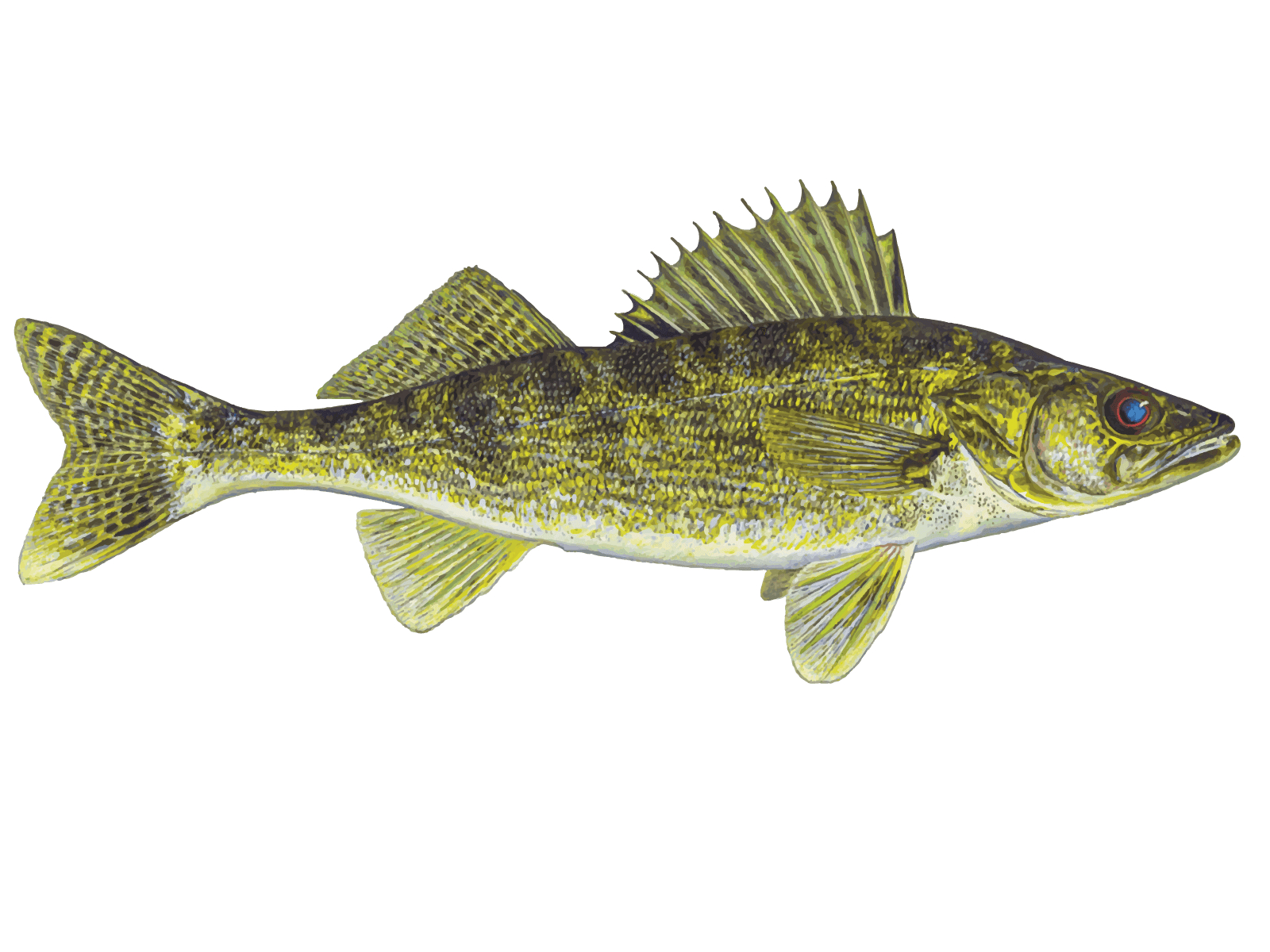
Walleye Overview
The Walleye (Sander vitreus) is a freshwater game fish belonging to the family Percidae and order Perciformes, making it a close relative of perch and pike-perch species worldwide. What makes this fish truly remarkable is its distinctive large eyes with a reflective silver layer called the tapetum lucidum, which gives walleye their characteristic glowing appearance and exceptional low-light vision. These sleek, conical-bodied predators boast golden and olive coloring with pale white bellies, and they've become one of North America's most sought-after game fish. From the pristine waters of Lake of the Woods to local lakes and river systems across the continent, walleye are celebrated equally by anglers pursuing trophy catches and home cooks seeking exceptional table fare. Whether you're casting lines at dusk or planning your next fishing adventure, the walleye represents the perfect blend of challenge, beauty, and culinary reward.
Walleye Habitat and Distribution
Walleye thrive in diverse freshwater environments, from small to large rivers and both shallow and deep lakes. These fish demonstrate specific preferences for their surroundings, typically seeking out sand, rock, or gravel bottoms where they can hunt effectively. During daylight hours, walleye retreat to deeper water columns, using weeds, timber, and submerged structures for cover. In river systems, they establish themselves in deep holes and drop-offs during the day, then venture into shallows under the cover of darkness to hunt for food. Their comfort zone lies at water temperatures around 70 degrees Fahrenheit, though they can tolerate a range between 32 and 90 degrees.
Geographically, walleye are native to waters from the Arctic regions south of Canada down through the Great Lakes and extending east to the St. Lawrence River systems. Lake Erie stands as one of the most legendary walleye fishing destinations in North America. However, the true crown jewel is Lake of the Woods and the Rainy RiverWalleye Capital of the World. These breathtaking waters attract anglers year-round seeking record-breaking catches. Over recent decades, walleye have been artificially introduced into lakes and reservoirs throughout North America, expanding fishing opportunities far beyond their native range and making them accessible to enthusiasts across the continent.
Walleye Size and Weight
Adult walleye typically range from 12 to 30 inches in length, with trophy specimens occasionally exceeding 42 inches. Weight generally falls between 1 pound for smaller individuals to approximately 10 pounds for impressive catches, though the largest recorded walleye have reached weights around 20 pounds. Females generally grow larger than males, and in pristine, well-managed fisheries with minimal harvest pressure, these fish can reach truly exceptional sizes. The sleek, streamlined body shape and conical head lined with sharp teeth make walleye instantly recognizable and perfectly adapted for their predatory lifestyle.
Walleye Diet and Behavior
Walleye are strictly nocturnal predators, meaning they feed primarily during low-light conditions—dawn, dusk, and throughout the night. Adult walleye feed almost exclusively on other fish species, actively hunting minnows, shiners, and other small forage fish. Young walleye have more diverse diets, consuming small crustaceans and insects, particularly mayflies, as they develop. This dietary preference for living prey directly influences successful angling techniques and bait selection.
These fish are highly mobile, responding to light levels and temperature changes throughout the day and across seasons. During midday, they disappear into deep, structure-rich areas to avoid bright light, which their sensitive eyes find uncomfortable. As evening approaches and light diminishes, walleye become increasingly active and begin moving toward shallow feeding zones. This behavior pattern is so predictable that experienced anglers plan their outings around these feeding windows. Their nocturnal nature also makes them less susceptible to fishing pressure during daylight hours, rewarding patient anglers who time their efforts during prime feeding periods.
Walleye Spawning and Seasonal Activity
Walleye typically spawn in spring when water temperatures begin warming, usually between April and May in most northern regions. During this period, they migrate to shallow rocky areas or gravel bars to reproduce, making them more accessible to anglers during these critical weeks. After spawning, walleye gradually move into their summer patterns, establishing themselves in deeper structure.
Summer brings a shift to deeper waters during the heat of the day, with evening and night feeding becoming more pronounced. Fall introduces another transition period as cooling water temperatures trigger increased feeding activity and movement. Winter finds walleye in deeper holes and under the ice, where they continue feeding but at reduced rates. Understanding these seasonal patterns helps anglers anticipate where to find active walleye throughout the year.
Walleye Techniques for Observation or Capture
Evening Jig and Minnow Technique: The most reliable method for walleye success involves fishing jigs tipped with live minnows during the evening and night hours. Work your jig along rocky structure, weed edges, and bottom contours at depths between 10 and 30 feet. Cast parallel to structure, maintaining contact with the bottom through a steady jigging motion. This technique works exceptionally well around Lake of the Woods and similar environments where rocky transitions create prime walleye habitat.
Live Bait Rig Trolling: Deploy a live bait rig consisting of a 1⁄4 to 1⁄2 pound sinker, a swivel, a 3 to 6 foot leader of 6-pound test line, and a No. 4 or 6 hook. Attach live minnows, nightcrawlers, or leeches and troll slowly along the bottom, covering different depths and structure types to locate feeding fish. This methodical approach works particularly well in lake systems where walleye suspend at varying depths depending on forage availability.
Nighttime Shallow Water Hunting: After dark, position yourself in water depths of 3 to 8 feet near weed beds, structure, and drop-offs. Use minnow-style crankbaits or soft plastics retrieved slowly and deliberately. The reduced light gives these sensitive-eyed predators confidence to hunt in shallow water where prey concentrates. This technique can be explosive during peak feeding periods and is especially productive around established fishing areas.
Walleye Culinary and Utilization Notes
Walleye consistently ranks among North America's finest eating fish, earning its reputation through superior flavor and texture. The firm, flaky meat boasts a mild, delicate taste with subtle sweetness and buttery notes that appeal to diverse palates. This versatility makes walleye suitable for virtually any cooking method—frying, grilling, baking, or poaching—and pairs beautifully with herbs, spices, and light sauces.
Beyond flavor, walleye delivers impressive nutritional benefits. The meat is rich in omega-3 fatty acids, which reduce inflammation and support cardiovascular health. It provides substantial B vitamins crucial for energy metabolism and nervous system function, plus selenium for immune support and oxidative protection. Walleye also maintains low mercury levels and minimal harmful contaminants, making it a safe choice for regular consumption. When preparing walleye fillets, carefully remove skin and bones to ensure a clean, appetizing presentation. The result is a nutritious, delicious meal that satisfies both refined taste and health-conscious diners.
Walleye Frequently Asked Questions
Q: What is the best bait for catching walleye?
A: Live bait consistently outperforms artificial lures for walleye. Minnows (shiners or shad), nightcrawlers, and leeches are the top choices. Fish these live baits on jigs, live bait rigs, or simple hook-and-sinker setups near the bottom and around structure. Live minnows around 2 to 3 inches work especially well for trophy-sized fish.
Q: Where can I find walleye near popular fishing destinations?
A: Lake of the Woods and the Rainy River are world-renowned walleye hotspots, but excellent fishing also exists in the Great Lakes region, particularly Lake Erie. Many Midwestern lakes and Canadian waters host healthy populations. Check local fishery reports and connect with guide services to identify current productive locations in your area.
Q: Is walleye good to eat?
A: Absolutely. Walleye is considered one of the best freshwater eating fish available. The mild, flaky, buttery flavor appeals to most people, and the firm texture holds up well to any cooking method. It's also nutrient-dense with omega-3s, B vitamins, and selenium, making it both delicious and nutritious.
Q: When is the best time to catch walleye?
A: Walleye feed most actively during low-light periods—early morning, evening, and throughout the night. Plan fishing trips starting in the evening and extending after dark for peak success. Spring and fall months often produce excellent results as water temperatures favor increased feeding activity.
Q: How old can walleye live?
A: Under ideal conditions with minimal fishing pressure, walleye can live for decades, with the oldest recorded specimen reaching 29 years of age. However, in heavily fished waters, walleye typically don't survive past 5 to 6 years. This variability emphasizes the importance of sustainable fishing practices.
Q: What size walleye should I target?
A: Most recreational anglers keep walleye between 15 and 24 inches, which offer excellent eating while maintaining breeding populations. Trophy hunters pursue fish exceeding 28 inches, but these larger specimens are increasingly rare. Always check local regulations regarding minimum and maximum keeper sizes, as these limits protect fishery health and ensure future generations can enjoy walleye fishing.